


Benefits of High-Quality Tile Polishing Pads for Floor and Countertop Care

Have you ever walked into a home and noticed how the floors seem to gleam under the light? What makes some tile surfaces look brand new while others appear dull and lifeless? And more importantly, how can you achieve that showroom-quality finish in your own home without breaking the bank?
The secret often lies in the tools you use. High-quality tile polishing pads have become a gamechanger for homeowners across Australia who want to maintain their floors and countertops without relying on expensive professional services. Whether you're dealing with marble benchtops in your kitchen or porcelain tiles in your bathroom, the right polishing pad can transform tired surfaces into stunning focal points.
In this guide, we'll explore everything you need to know about tile polishing pads. You'll discover how they work, which types suit different surfaces, and how to use them effectively. We'll also look at whether investing in premium pads is truly worth it compared to budget options. By the end, you'll have the confidence to tackle your own polishing projects and keep your home looking absolutely brilliant.
What Are Tile Polishing Pads and How Do They Work?
Tile polishing pads are specialised tools designed to smooth, refine, and restore shine to various hard surfaces. They work by gradually removing microscopic scratches and imperfections that make tiles look dull. Think of them as sandpaper, but far more sophisticated and gentler on delicate surfaces.
Understanding Diamond Polishing Pad Technology
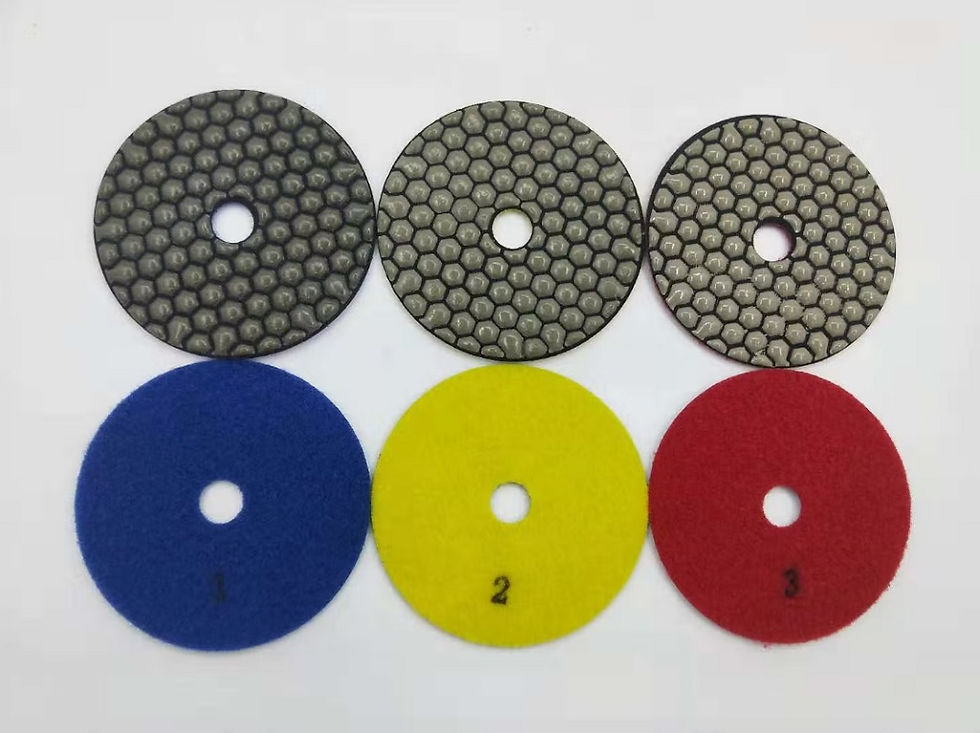
Diamond polishing pads contain tiny industrial diamonds embedded in a resin bond. These diamonds are incredibly effective at cutting through surface imperfections while remaining gentle enough not to damage your tiles. The pads come in various grit levels, from coarse to ultra-fine, allowing you to progressively smooth the surface until it shines.
The technology behind these pads is pretty clever. As you work through the grits, each pad removes the scratches left by the previous one. By the time you reach the finest grit, you've essentially created a mirror-smooth surface that reflects light beautifully.
Wet vs Dry Polishing Pads: Which Should You Choose?
Wet polishing pads require water during use, which helps cool the surface and flush away debris. They're generally preferred for most tile types because they produce less dust and create a smoother finish. Dry polishing pads, on the other hand, are more convenient for quick touch-ups and work well on certain surfaces.
For most Australian homeowners, wet pads offer the best results. They're particularly effective on natural stone like marble and granite, where heat control is essential.
The Key Benefits of High-Quality Tile Polishing Pads
Achieving a Professional-Grade Finish at Home
Premium polishing pads allow you to achieve results that rival professional services. The consistent diamond distribution in quality pads ensures even polishing across the entire surface. You won't end up with patchy areas or uneven shine like you might with cheaper alternatives.
What's more, quality pads give you control over the process. You can stop at a matte finish or continue to a high-gloss shine, depending on your preference.
Extending the Lifespan of Your Floors and Countertops
Regular polishing with proper pads actually protects your investment. By removing surface damage before it deepens, you prevent the need for costly repairs or replacements. A well-maintained marble benchtop can last decades, while a neglected one might need professional restoration within years.
Cost Savings: DIY Polishing vs Professional Services
Professional tile polishing services in Australia typically cost between $3 to $8 per square metre. For a standard kitchen and bathroom, you could easily spend $500 to $1,000. A quality set of polishing pads, however, costs a fraction of this and can be used multiple times.
Restoring Shine Without Harsh Chemicals
One often-overlooked benefit is the chemical-free nature of mechanical polishing. Unlike products that claim to restore shine through chemical coatings, polishing pads actually improve the surface itself. This means no toxic fumes, no residue, and a genuinely restored surface.
How Do You Polish Tiles to Make Them Shine?
Step-by-Step Guide for Floor Tiles
Start by thoroughly cleaning your tiles to remove any dirt or debris. Begin with the coarsest grit pad required for your surface condition—typically 50 or 100 grit for damaged tiles, or 200 grit for light refinishing.
Work in small sections, keeping the pad flat against the surface. Move in overlapping circular motions, ensuring even coverage. Progress through each grit level—200, 400, 800, 1500, and 3000—cleaning between each stage. The final buff with a 3000-grit pad will produce that stunning shine.
Polishing Countertops: Tips for Kitchen and Bathroom Surfaces
Countertops require extra care around edges and sink cutouts. Use lighter pressure than you would on floors, as benchtops are often thinner. Work in smaller sections and check your progress frequently by wiping the surface dry.

What Grit Polishing Pad Should You Use for Different Surfaces?
Marble and Natural Stone
Marble is relatively soft and responds well to polishing. Start with 200 grit for light scratches and work up to 3000 grit for a mirror finish. Always use wet pads to prevent heat damage.
Porcelain and Ceramic Tiles
These manufactured tiles are harder and may require starting with coarser grits. A 100-grit pad handles deeper scratches, while 400 to 1500 grit produces excellent results for general refinishing.
Granite Countertops
Granite is extremely hard and demands quality diamond pads. Begin at 50 grit for significant damage or 200 grit for maintenance polishing. Progress through all grits up to 3000 for the best results.
Are Polishing Pads Worth the Investment?
Comparing Cheap vs Premium Polishing Pads
Budget pads often have inconsistent diamond distribution, leading to uneven results and premature wear. Premium pads maintain their cutting ability longer and produce more consistent finishes. The price difference is typically $20-40, but the results speak for themselves.
How Long Do Quality Polishing Pads Last?
A quality pad set can polish approximately 50-100 square metres before needing replacement, depending on the surface hardness. For most homeowners, this means years of use from a single purchase.
Common Tile Care Mistakes and How to Avoid Them
Using the Wrong Pad for Your Tile Type
Using pads designed for granite on soft marble can cause irreversible damage. Always verify your tile type before selecting pads. When in doubt, start with a finer grit and test in an inconspicuous area.
Skipping Grit Sequences
Jumping from 200 to 3000 grit won't save time—it'll leave visible scratches. Each grit level removes the marks from the previous one. Skipping steps means those scratches remain visible in your final finish.
Can You Use Polishing Pads on All Tile Types?
Not all tiles are suitable for polishing. Glazed ceramic tiles have a factory-applied coating that polishing will remove rather than improve. Unglazed tiles, natural stone, and porcelain are ideal candidates. Always check your tile type before beginning any polishing project.
How Often Should You Polish Your Tiles and Countertops?
For high-traffic floors, annual polishing maintains appearance. Kitchen benchtops benefit from polishing every 6-12 months, depending on use. Bathroom surfaces typically need attention once yearly. Regular cleaning between polishes extends the time between treatments.
Choosing the Right Polishing Pads for Your Project
Features to Look for in Professional-Grade Pads
Quality pads feature consistent diamond concentration, flexible backing for curved surfaces, and clear grit labelling. Look for pads with hook-and-loop backing for easy attachment and removal.
Best Polishing Pads for Domestic vs Commercial Use
Homeowners generally need a basic set covering 100 to 3000 grits. Commercial users benefit from backup pads and specialised grits for specific applications.
Transforming Your Surfaces with the Right Tools
High-quality tile polishing pads offer Australian homeowners an accessible way to maintain beautiful floors and countertops. From cost savings to professional-grade results, the benefits are clear and achievable.
The key takeaway? Invest in quality pads, follow proper grit sequences, and match your tools to your tile type. With these fundamentals, you'll keep your surfaces looking stunning for years to come.
Ready to give your tiles the care they deserve? Start with a small area, build your confidence, and watch your home transform one polished surface at a time. Your floors and benchtops will thank you for it!


Comments