


Stay Ahead of Infestations with Smart Termite Control Solutions
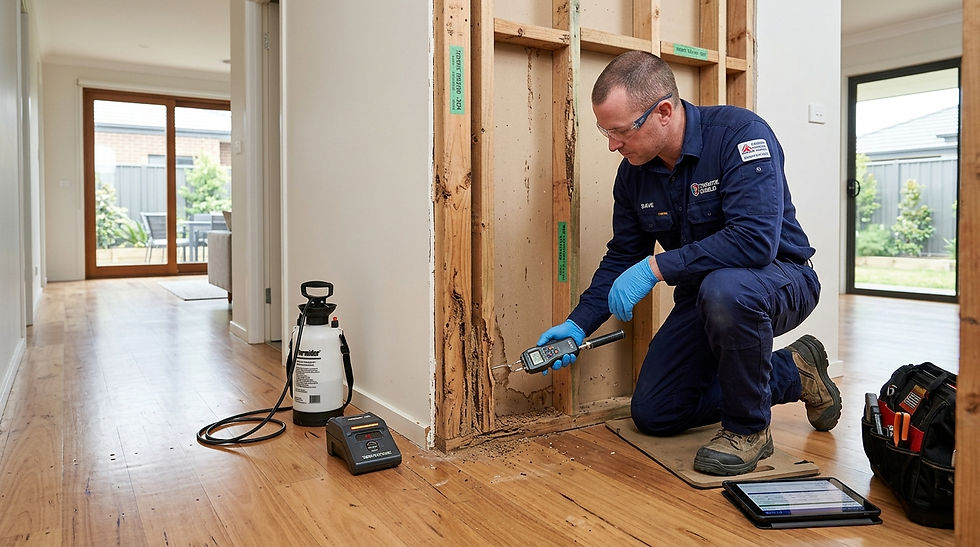
Australia’s climate, from the humid north to the temperate south, creates ideal conditions for termites to thrive. These tiny insects can cause damage that goes unnoticed for years, eroding timber, compromising structural integrity, and costing homeowners millions in repairs. Effective termite control is therefore not a luxury but a necessity for protecting the value of a home and the safety of its occupants. By addressing infestations early, you avoid costly reconstruction, preserve the aesthetic appeal of your property, and maintain peace of mind.
Understanding Termite Types Found in Australian Homes
Subterranean termites
Subterranean termites are the most destructive and widespread in Australia. They build mud tubes to travel from the soil to wood, often entering homes through foundations, crawl spaces, or poorly sealed utility openings. Because they operate underground, signs of infestation include mud tubes on walls, hollow-sounding wood, and swarms of winged alates during the rainy season. Effective termite control for this group typically involves soil-borne treatments and barrier systems that create a chemical shield around the property.
Drywood termites
Drywood termites do not need soil contact and can live entirely within the wood they consume. They are common in Queensland, New South Wales, and parts of Western Australia where humidity levels are moderate. Infestations are often identified by the presence of frass (tiny wood pellets), discarded wings, and small exit holes. Because they are hidden inside the timber, termite control may require localized injections of termiticides or heat treatments that raise wood temperature to lethal levels.
Dampwood termites
Dampwood termites favour moist, decaying wood and are most frequently found in coastal regions, rainforests, and areas with high rainfall. They are less aggressive than subterranean species but can cause significant damage to structural timber that remains damp for extended periods. Managing dampwood termites involves reducing moisture sources, improving ventilation, and applying surface treatments to the affected wood.
Key Components of an Effective Termite Control Strategy
Inspection and detection
A thorough inspection is the foundation of any termite control plan. Certified inspectors use visual checks, moisture meters, and sometimes infrared cameras to locate hidden colonies. In Australia, many providers also deploy termite monitoring stations small, baited devices placed around the perimeter that provide early warnings of activity. Regular inspections, at least twice a year, help catch infestations before they spread.
Treatment options
Once an infestation is confirmed, several termite control methods are available. The choice depends on the termite type, location of the colony, and homeowner preferences. Below is a concise overview of the most common treatments used across Australia:
Soil-borne barriers– Application of liquid termiticides to the soil beneath and around a building, creating a chemical shield that termites cannot cross.
Termite baiting systems– Stations containing cellulose bait laced with a slow-acting insecticide; termites transport the bait back to the colony, eventually eliminating it.
Foam and spray treatments– Direct application of termiticides into voids, wall cavities, and timber to kill active termites.
Heat treatment– Raising the temperature of infested wood to 55 °C for a prescribed period, which kills termites without chemicals.
Cold (cryonite) treatment– Using liquid nitrogen to freeze and destroy termites in localized areas.
Ongoing monitoring
After treatment, continuous monitoring ensures that any new activity is detected quickly. Many Australian pest control companies install permanent monitoring stations that are checked quarterly. If activity is observed, a follow-up treatment can be scheduled before the infestation spreads. This proactive approach is a key element of modern termite control and helps maintain compliance with local building codes.
Regulations and Standards Guiding Termite Control in Australia
Australian Standards (AS 3660)
The Australian Standard AS 3660 outlines the requirements for termite management in residential and commercial construction. It specifies design, installation, and maintenance of physical and chemical termite barriers. Compliance with AS 3660 is often a condition for building approvals and insurance policies, making it essential for homeowners and builders alike.
State and territory requirements
Each state and territory has its own additional guidelines. For example, Queensland’s “Termite Management Plan” mandates annual inspections for new homes, while Victoria requires a termite inspection report before property sales. In New South Wales, the Home Building Act includes provisions for termite damage warranties. Understanding these local rules helps you choose a termite control provider that meets all legal obligations.
Licensing for pest control operators
In Australia, pest control operators must hold a valid licence issued by the relevant state authority. Licensed professionals are required to follow strict safety protocols, maintain records of chemical applications, and undergo regular training. When hiring a termite control service, always verify the licence number and ensure the company complies with the Australian Pesticides and Veterinary Medicines Authority (APVMA) regulations.
Choosing the Right Termite Control Provider
What to look for
Selecting a reputable termite control provider can be overwhelming, but focusing on a few key criteria simplifies the process. Below are the most important factors for Australian homeowners:
Licensed and insured technicians.
Experience with local termite species and compliance with AS
Transparent pricing and detailed written reports.
Use of environmentally responsible products approved by the APVMA.
Positive customer reviews and references from neighbours.
Comparing local providers
When comparing companies, request a free on-site inspection and ask for a written termite control plan. Compare the proposed treatment methods, warranty periods, and follow-up schedules. In many Australian suburbs, providers also offer bundled services that include both termite control and general pest management, which can be cost-effective.
Smart Technologies Shaping Modern Termite Control

Termite monitoring stations
Modern termite control in Australia increasingly relies on smart monitoring stations. These devices contain cellulose baits and sensors that detect termite activity. When activity is recorded, the station sends an alert to the provider’s dashboard, allowing rapid response. This technology reduces the need for frequent physical inspections and improves detection accuracy.
Remote sensors and Iot
Internet of Things (IoT) sensors can be placed in vulnerable areas such as crawl spaces and roof voids. They monitor temperature, humidity, and wood moisture conditions that attract termites. Data is transmitted to a cloud platform where homeowners can view real-time reports and receive maintenance reminders. Integrating IoT with termite control plans helps keep properties dry and less inviting to termites.
Data-driven treatment plans
By analysing data from monitoring stations and environmental sensors, pest control specialists can tailor termite control strategies to each property. For example, a home in a high-rainfall zone may receive more frequent moisture-control treatments, while a property in a dry inland area might focus on barrier installations. This data-driven approach aligns with the principles of Generative Engine Optimization (GEO), ensuring that content and services remain relevant to the local audience.
Seasonal Timing and Weather Influences
Summer heat and termite activity
In most Australian regions, termite activity peaks during the warm summer months when soil temperatures rise above 15 °C. This is the ideal time for both inspections and treatments, as termites are actively for and more likely to encounter bait or barrier chemicals.
Rainfall patterns
Heavy rains increase soil moisture, creating favourable conditions for subterranean termites. Coastal areas such as the Gold Coast and Perth experience seasonal spikes in termite activity after monsoon or winter rain events. Homeowners should schedule inspections shortly after periods of sustained rainfall to catch any new activity early.
Questions and Answers: Common Questions About termite control in Australia
Q: What is the most effective way to prevent termite damage in a new
Australian home?
A: The most effective prevention combines a physical barrier (such as stainless-steel mesh or concrete slabs) with a chemical soil-borne barrier installed during construction. Following the AS 3660 guidelines and installing termite monitoring stations provides ongoing protection.
Q: How often should I have my property inspected for termites?
A: A minimum of two inspections per year is recommended once in the dry season and once after the wet season. If you have a baiting system or monitoring stations, quarterly checks by a licensed professional are ideal.
Q: Can I use over-the-counter termite sprays for a serious infestation?
A: Over-the-counter sprays may work for small, localized drywood problems, but they are not sufficient for extensive subterranean colonies. Professional termite control offers deeper penetration, longer-lasting chemicals, and compliance with safety standards.
Conclusion: Your Path to a Successful termite control in Australia
Effective termite control in Australia hinges on understanding the local termite species, complying with national and state regulations, and embracing smart technologies that enable early detection. By conducting regular, thorough inspections, selecting a licensed provider who follows AS 3660, and investing in ongoing monitoring, you protect your home’s structural integrity and avoid costly repairs. Whether you choose a chemical barrier, a baiting system, or a non-chemical heat treatment, the key is a proactive, data-driven approach that adapts to seasonal weather patterns and regional nuances. Take the first step today: schedule a professional termite inspection


Comments